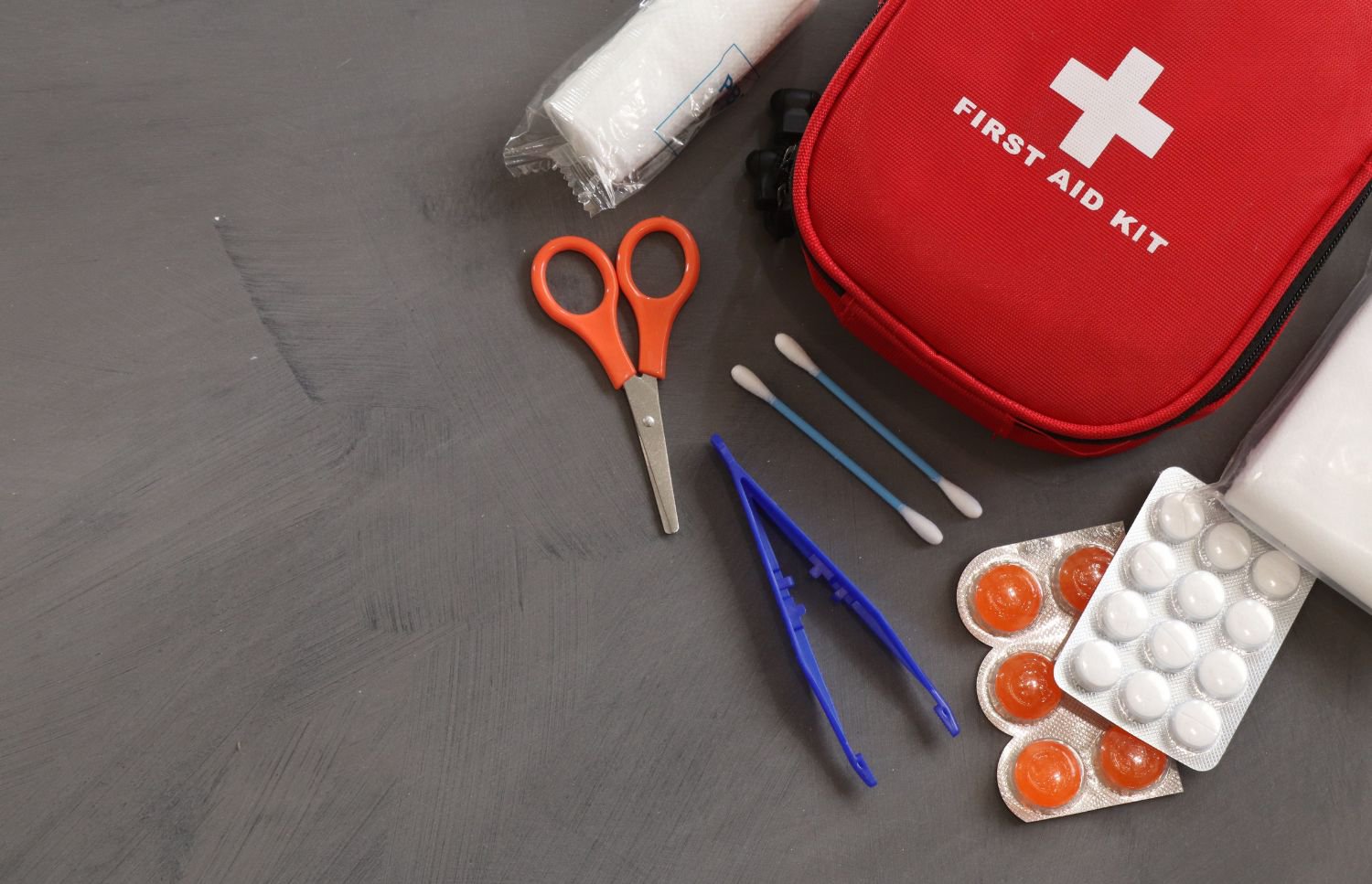
Preparation remains a critical element for any successful vacation across the globe today. Learning how to pack a travel first aid kit helps prevent small medical issues from disrupting your plans. Minor injuries become easier to manage when essential supplies remain within easy reach.
Having the right tools on hand supports safer and more comfortable travel experiences everywhere. Experienced travelers know unexpected situations often require quick access to basic medical supplies. Careful organization saves valuable luggage space while keeping important items readily accessible throughout every trip. A travel first aid kit is only one part of being fully prepared. Before you pack, check out our guide on What Are Travel Essentials? Must-Have Items for a complete travel packing checklist.
Essential Planning for How to Pack a Travel First Aid Kit
Different destinations present unique health concerns that deserve thoughtful preparation before departure. For example, remote hiking adventures require different supplies than relaxing beach vacations or city breaks. Planning helps you choose medical essentials suited to your activities and destination.
Furthermore, trip length determines how much medication you should bring for uninterrupted treatment. Travelers managing ongoing medical conditions should always carry extra doses for unexpected travel delays. Researching local health risks also helps you prepare appropriate medications before leaving home.
Additionally, climate conditions influence which protective products belong inside your medical supplies. Humid regions often require insect repellent, while colder destinations benefit from moisturizing skin protection. Customizing your kit prevents unnecessary bulk while covering your most likely health needs.
TSA Regulations Affecting How to Pack a Travel First Aid Kit
Passing through airport security becomes easier when your medical supplies follow current TSA guidelines. According to TSA liquid rules, containers holding liquids, gels, or aerosols must remain within 3.4 ounces. Understanding how to pack a travel first aid kit includes preparing those items correctly.
Consequently, liquid medications, ointments, and sanitizers should fit inside one clear quart-size bag when required. Medically necessary liquids may qualify for exceptions, although travelers should declare them during screening. Informing security officers beforehand helps avoid unnecessary inspection delays.
Moreover, solid medications are generally permitted through airport security without liquid restrictions. Keeping prescriptions inside original labeled containers helps speed identification when requested by security personnel. Supporting medical documentation may also simplify international customs inspections when carrying prescription medications.
Efficient Organization Strategies
Maximizing space inside your carry-on luggage begins with organizing medical supplies efficiently. Transparent pouches make emergency items easier to locate without searching through your entire bag. Grouping similar supplies improves access whenever quick treatment becomes necessary.
For instance, bandages and antiseptic wipes belong inside convenient exterior compartments for immediate access. Less frequently used backup supplies can remain safely stored in deeper sections of your luggage. Protective travel cases also prevent delicate medical items from becoming crushed during transit.
Clearly labeled compartments reduce confusion whenever fast access becomes important during unexpected situations. Organized packing helps you respond more confidently without wasting valuable time searching. Compact storage also leaves more room for other travel essentials inside your carry-on.
Essential Medication Management
Managing prescription medications requires careful planning before leaving for any domestic or international trip. Keeping important medicines inside your carry-on reduces problems if checked baggage becomes delayed or misplaced. Airline passenger protections may apply when baggage issues affect essential belongings.
Travelers should also carry a complete list of current prescriptions and dosage instructions. Written medical information helps healthcare providers deliver appropriate treatment during unexpected emergencies abroad. Keeping everything together makes important records easier to locate whenever needed.
Emergency contact details should remain clearly visible inside your travel medical pouch. Accessible information allows medical professionals to contact family members without unnecessary delays. Organized documentation provides additional reassurance while exploring unfamiliar destinations.
Selection of Basic Wound Care Supplies
Minor cuts and scrapes often happen while sightseeing, hiking, or enjoying outdoor activities. Carrying basic wound care supplies allows you to treat injuries before they become larger problems. Prompt treatment also helps reduce infection risks during your trip.
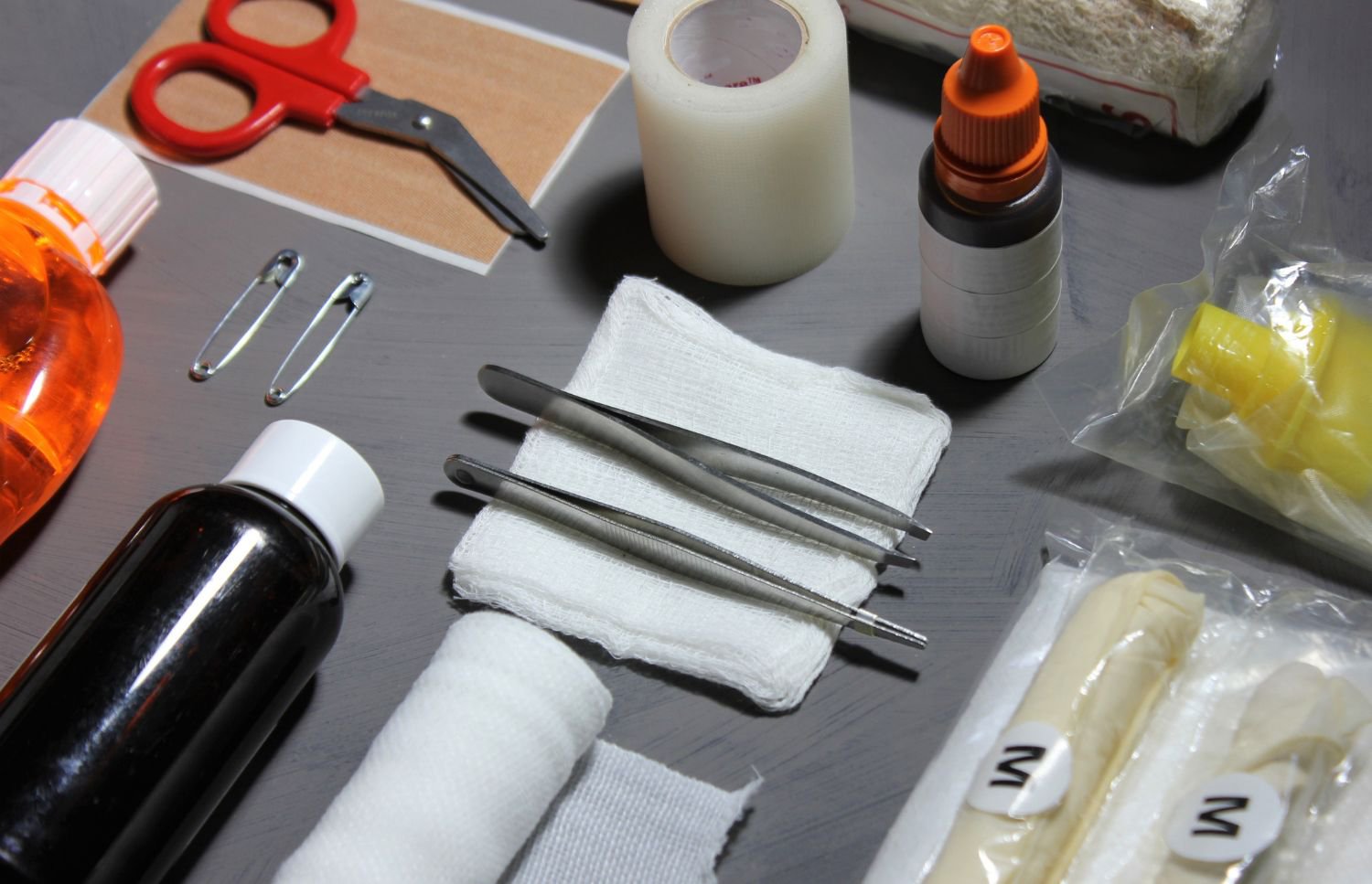
Experienced travelers suggest including the following basic wound care products for your next trip:
-
Adhesive bandages of various sizes protect small wounds from dirt and bacteria.
-
Sterile gauze pads cover larger cuts while helping control minor bleeding.
-
Antiseptic wipes clean skin before applying dressings or adhesive bandages.
-
Medical tape keeps gauze securely in place without excessive skin irritation.
-
Small tweezers remove splinters or debris from minor wounds safely.
Keeping reliable wound care supplies nearby allows quick treatment whenever small injuries occur. Proper preparation helps you continue enjoying your itinerary with fewer interruptions.
Over-the-Counter Medication Essentials
Unexpected headaches, allergies, or stomach discomfort can develop during almost any journey. Carrying common over-the-counter medications helps manage minor symptoms until additional care becomes available. Preparation keeps small health concerns from interrupting your travel experience.
Smart packing plans often include the following over-the-counter medications:
-
Pain relievers for headaches, muscle aches, or minor injuries.
-
Antihistamines for seasonal allergies or mild allergic reactions.
-
Anti-diarrheal medication for digestive discomfort during travel.
-
Motion sickness medicine for flights, cruises, or winding roads.
-
Antacids for occasional heartburn or indigestion.
Packing versatile medications prepares you for common travel discomforts without adding unnecessary bulk. Knowing how to pack a travel first aid kit helps you respond confidently throughout your journey.
Practical Packing Solutions for How to Pack a Travel First Aid Kit
Organizing essential medical supplies helps you travel with greater confidence and fewer unexpected challenges. Knowing how to pack a travel first aid kit supports safer trips while simplifying airport screening. Thoughtful preparation also keeps valuable luggage space available for other necessities. If you're still planning your trip, our guide on How to Make a Travel Itinerary can help you organize everything you'll need before departure.
At CarrieAway, pre-made travel kits and customizable options simplify packing with TSA-compliant travel-size essentials. Organized kits remove much of the guesswork while helping travelers stay prepared for every journey. Explore our travel-ready solutions before your next trip with greater confidence.