Airport security rules affect which personal-care products travelers can bring inside carry-on luggage. Understanding those restrictions makes packing a TSA-approved toiletry bag much easier before leaving home. Knowing what counts as a liquid, gel, or aerosol can prevent surprises during screening.
Travelers can prepare more confidently when they identify restricted products before packing their carry-on. Checking container capacities also helps prevent products from being removed during airport security. A few simple checks can make the screening process more predictable and manageable.
What Are the TSA Rules for Carry-On Liquids?
Airport security rules limit how much of certain liquids travelers can carry onboard. According to official liquids rule guidelines, liquids must fit in 3.4-ounce or 100-milliliter containers. Each traveler may also carry one transparent quart-size bag through the screening process.
Understanding those limits can prevent unexpected disposal of personal-care products at security. Recent airport checkpoint statistics reveal officers screen over two million passengers each day nationwide. With so many travelers moving through checkpoints, organized toiletries can make inspections easier.
A TSA-approved toiletry bag can hold the personal-care products travelers prepare for screening. The important consideration is whether each product meets applicable carry-on restrictions before packing. Checking the contents first makes the bag easier to prepare correctly.
Which Personal-Care Products Belong in Your TSA-Approved Toiletry Bag?
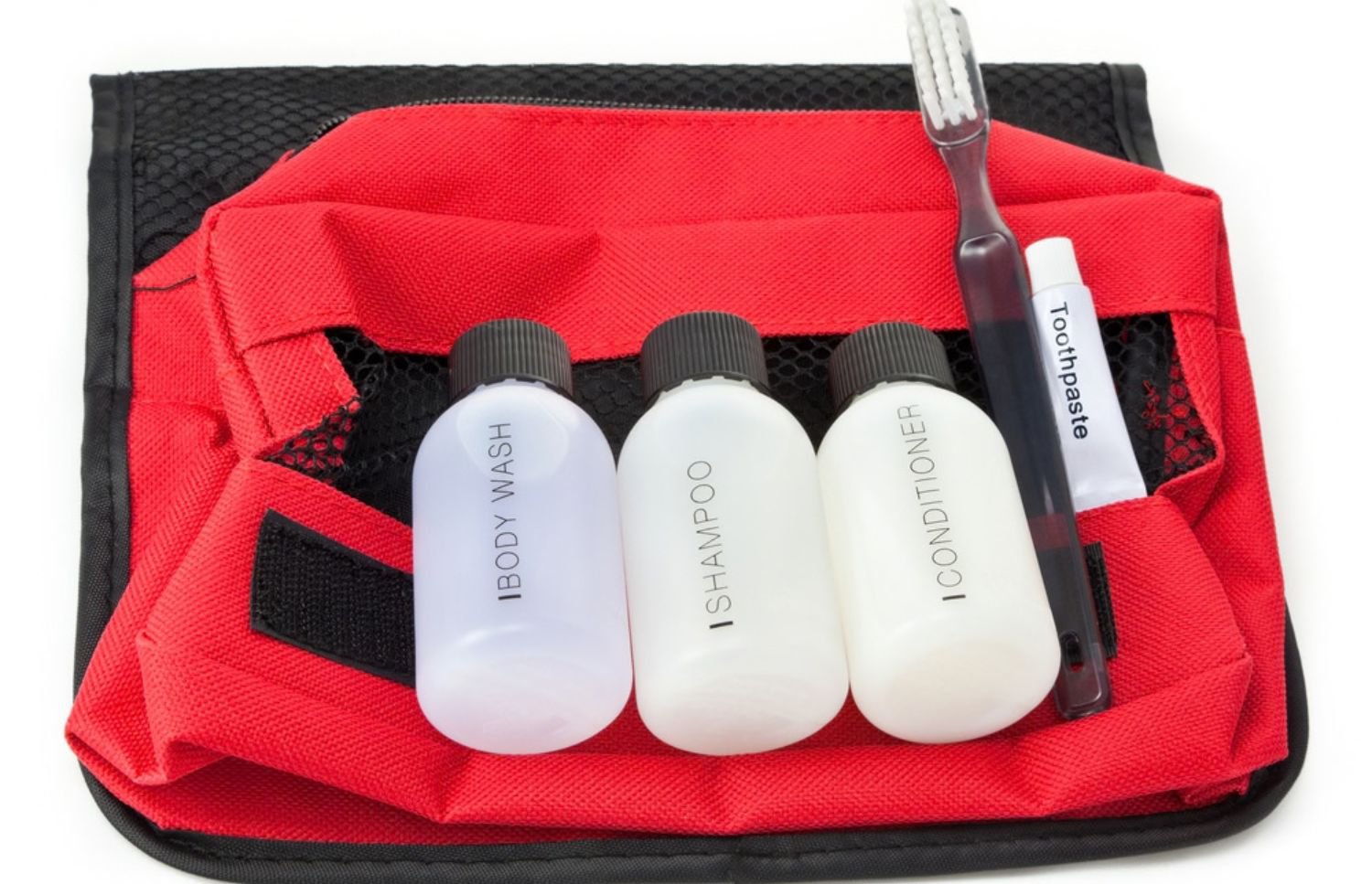
Many everyday personal-care products fall under TSA liquid, gel, or aerosol restrictions. Toothpaste, liquid foundation, creams, and gels require careful attention to their container sizes. Aerosol hairspray and spray deodorant also need to meet applicable container volume limits.
Knowing which products fall into these categories makes packing decisions easier before leaving home. Here are common personal-care essentials to consider:
-
Shampoo and conditioner containers under 3.4 ounces
-
Paste toothpaste and gel-based dental care products
-
Hydrating facial lotions and liquid cosmetic foundation formulas
-
Aerosol shaving creams and spray deodorants
-
Alcohol-based hand sanitizers and liquid body washes
These examples cover many products travelers commonly use throughout a normal personal-care routine. Checking each item's container capacity remains important, even when only a small amount remains.
How Should You Organize Toiletries Before Going to the Airport?
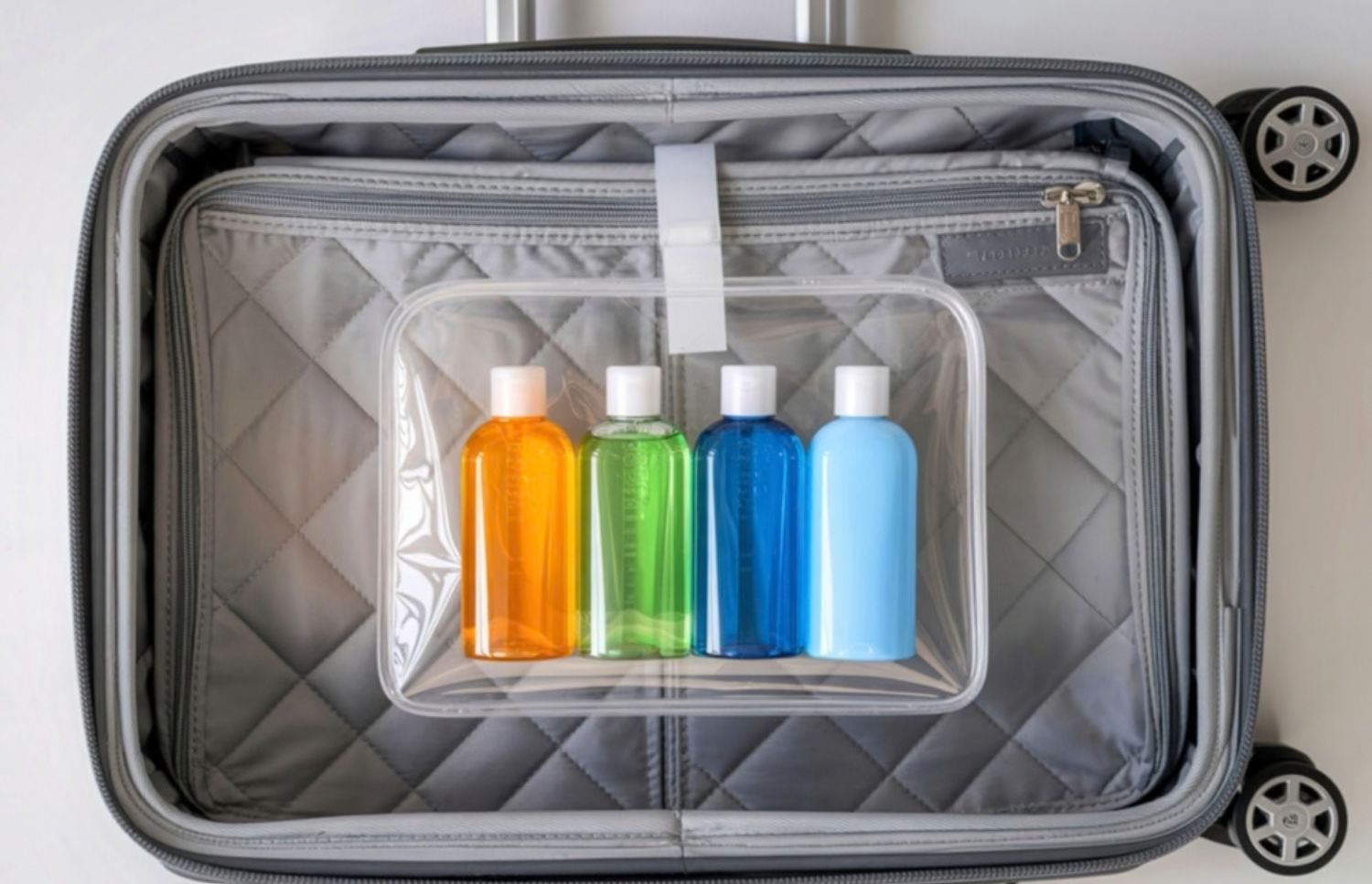
Once you identify restricted products, prepare the required liquids bag before leaving home. Place applicable liquids, gels, and aerosols inside the transparent bag before departure. Keeping the bag accessible can also help when reaching the security checkpoint.
Place your transparent liquid bag somewhere accessible inside your carry-on luggage. Keeping it near an exterior pocket can make removal easier when reaching the checkpoint. This preparation matters because security procedures may require travelers to present liquids separately.
Organized packing can also reduce the chance of leaks affecting clothing during your journey. Tightening each container lid helps prevent spills inside your luggage and travel gear. Checking every closure before departure provides simple protection against avoidable packing messes.
How Do Container Sizes Affect Carry-On Toiletries?
Container capacity matters because security restrictions apply to the container rather than remaining product. A half-full five-ounce bottle can still exceed the permitted container capacity. Checking the volume printed on each container helps identify potential problems before departure.
Travelers should also pay attention to products sold in larger standard-size packaging. Transferring suitable products into compliant travel-size containers can help reduce unnecessary packing restrictions. The container itself still needs to meet the applicable size requirement before reaching security.
Some personal-care products can also be replaced with solid alternatives when practical. Bar soap, solid shampoo, and tablet toothpaste can reduce the number of liquids. These alternatives can simplify packing when travelers want fewer products inside their transparent bag.
Using suitable containers inside a TSA-approved toiletry bag keeps restricted products ready for screening. The goal is compliance rather than adding unnecessary containers or extra packing steps.
How Can a TSA-Approved Toiletry Bag Make Security Easier?
After preparing your toiletries, keep the liquids bag accessible during the security process. Having applicable products ready can make it easier to respond to screening instructions. Travelers should follow current checkpoint directions because procedures can vary by location.
A simple checkpoint routine can make your liquids pouch easier to handle:
-
Store liquid pouches near exterior luggage pockets for fast access
-
Remove transparent fluid bags promptly when reaching conveyor belt bins
-
Ensure all container caps stay fully tightened before airport arrival
-
Verify container volume labels remain clearly legible for security officers
-
Keep non-liquid solid toiletries separated in main luggage compartments
These steps focus on screening preparation rather than the design of the toiletry bag. Keeping restricted products accessible can reduce unnecessary searching through other carry-on compartments.
What Carry-On Toiletry Mistakes Should You Avoid?
Even careful travelers can make packing mistakes that complicate airport security screening. One common mistake involves assuming a large, half-empty bottle meets carry-on requirements. Security officers consider the container's capacity rather than its remaining liquid volume.
Oversized containers may therefore need to be removed during security screening. Another mistake involves forgetting that gels, creams, pastes, and aerosols can face restrictions. Checking these products before departure helps prevent unexpected issues at the checkpoint.
Solid alternatives can help travelers pack fewer liquid products for their trips. Bar soaps, solid shampoos, and tablet toothpastes can bypass applicable liquid restrictions entirely. Choosing solid options may also leave more room for other permitted liquid essentials.
Double-checking requirements before leaving home can help prevent avoidable screening delays. Official security resources provide current guidance covering various allowed carry-on items. Reviewing those requirements helps travelers prepare their toiletries with greater confidence.
Packing Your TSA-Approved Toiletry Bag for a Smoother Trip
Smart carry-on packing starts with identifying restricted personal-care products before departure. Knowing the rules helps travelers decide which essentials require special preparation for screening. A reliable packing routine can make complicated restrictions easier to manage.
Using a TSA-approved toiletry bag gives those prepared essentials one convenient place during travel. The focus should remain on compliant contents rather than unnecessary packing complexity.
At CarrieAway, travelers can find TSA-compliant travel-size products curated for convenient carry-on packing. Pre-made travel kits and customizable kit options help remove guesswork while keeping essentials organized. Get in touch with us to simplify travel preparation with thoughtfully selected essentials for smoother journeys.